Gujarat Assembly Passes Uniform Civil Code Bill 2026 After Marathon Debate
- National
- (Asia/Kolkata)
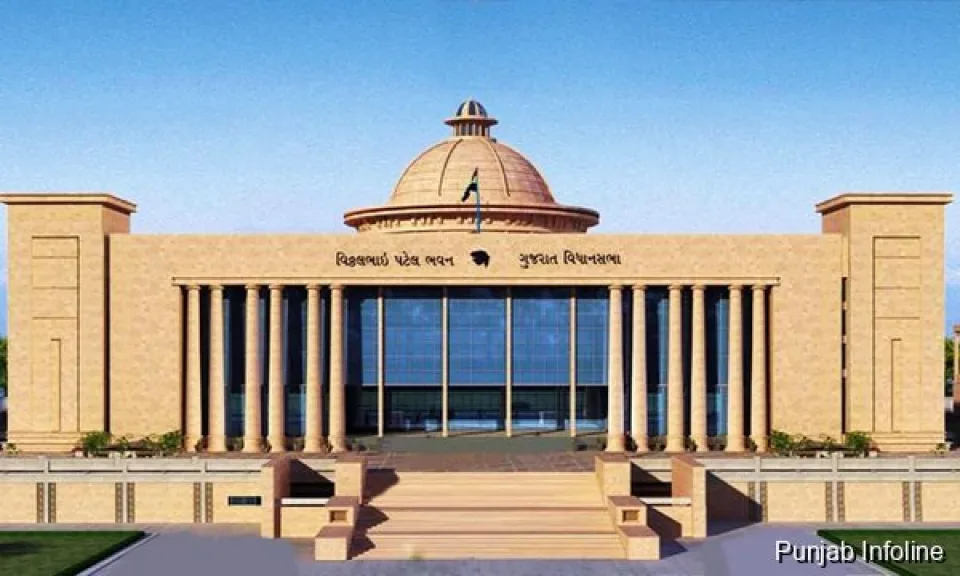
In a significant legislative development, the Gujarat Assembly on Tuesday (March 24, 2026) passed the Gujarat Uniform Civil Code (UCC) Bill, 2026 after more than seven hours of intense debate. With this move, Gujarat has become the second state in India, after Uttarakhand, to initiate the implementation of a Uniform Civil Code applicable to all religions.
Chief Minister Bhupendra Patel introduced the 201-page bill in the Assembly. The legislation aims to establish a common legal framework governing marriage, divorce, inheritance, and live-in relationships across communities. The bill will come into force after receiving the Governor’s approval and its subsequent notification in the official gazette.
Key Provisions of the Bill
Marriage:
The minimum legal age is set at 21 years for men and 18 years for women. Monogamy is mandatory, and bigamy is strictly prohibited. Marriages may be performed according to religious customs, but registration within 60 days is compulsory. Failure to register may attract a penalty of up to ₹10,000. Forced or fraudulent marriages could lead to imprisonment of up to seven years.
Divorce:
Divorce requires court approval and official registration. Any divorce without legal sanction will be considered invalid, with violations punishable by up to three years in jail. Divorce cannot be filed within one year of marriage. Women are granted unconditional rights to remarry.
Inheritance:
The bill ensures equal rights for sons and daughters, promoting gender equality in inheritance matters.
Live-in Relationships:
Couples must register their live-in relationship within one month. If either partner is below 21 years of age, their parents must be informed. Failure to register may result in a fine of ₹10,000, imprisonment of up to three months, or both. Children born from such relationships will have legal rights, and women will be entitled to maintenance. Ending the relationship requires a formal declaration.
Exemptions and Applicability
The bill will not apply to Scheduled Tribes (ST) and certain communities with protected customary rights. However, it will be applicable to all other residents of Gujarat, including those living outside the state.
Government’s Stand
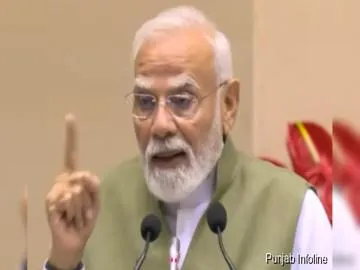
Presenting the bill, Chief Minister Bhupendra Patel referred to Sanatan values and the Rigveda, stating that the legislation promotes national unity, gender justice, and equality. He described it as a step towards empowering women, calling it “a gift of equal rights to daughters and sisters.”
Deputy Chief Minister Harsh Sanghavi termed the bill “historic” and aligned with Article 44 of the Constitution, which advocates a Uniform Civil Code.
Opposition Reaction
Opposition parties, including Congress and AAP, strongly opposed the bill. Congress termed it “anti-Muslim” and alleged it violates fundamental rights. The opposition also claimed the bill was introduced in haste ahead of the 2027 Assembly elections and demanded it be sent to a select committee. Despite protests and a walkout by some members, the bill was passed by majority vote.
Background
The bill is based on recommendations by a committee headed by retired Supreme Court judge Ranjana Prakash Desai, which submitted its report to the Chief Minister on March 17, 2026.
Uttarakhand became the first state to pass a UCC bill in January 2025, while Goa already follows the Portuguese Civil Code.
Conclusion
The passage of the UCC Bill in Gujarat has sparked nationwide debate. While some experts view it as a progressive move towards gender equality and legal uniformity, others see it as a challenge to cultural diversity. The bill will officially come into effect only after the Governor’s approval.