India-China Tension: India Rejects China’s Objection to 28 New Place Names in Ladakh
- International
- (Asia/Kolkata)
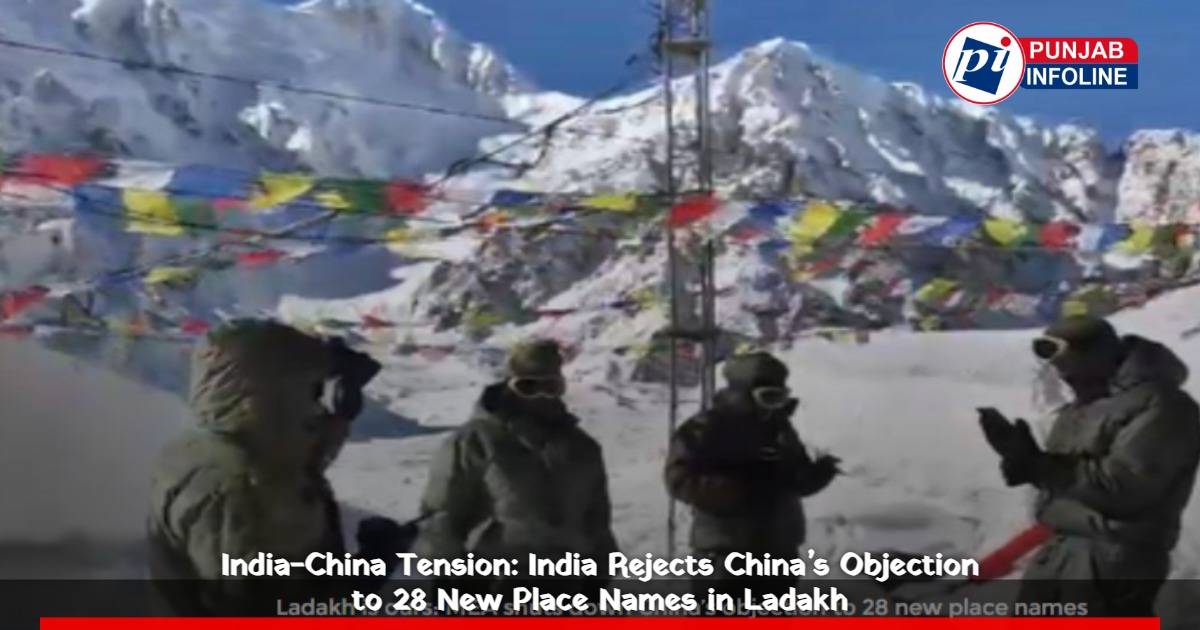
New Delhi: India has rejected China’s objection to the official naming of 28 locations and geographical features in Ladakh, reiterating that the Union Territory is an integral part of the country. The Ministry of External Affairs (MEA) issued the statement after Beijing criticised India’s decision to assign official names to the locations.
MEA spokesperson Randhir Jaiswal said during the weekly briefing, “The UT of Ladakh is an integral and inalienable part of India. No amount of denial by the Chinese side can change this established fact.”
What Did China Say?
Responding to a question in Beijing, Chinese Foreign Ministry spokesperson Mao Ning said China had never accepted the Union Territory of Ladakh, which she claimed India had established illegally. She also expressed strong opposition to India’s decision to give official names to the locations.
Mao Ning described India’s move as “illegal and invalid” and claimed that the areas in the western sector of the India-China boundary had always belonged to China.
Which 28 Places Have Been Given Official Names?
On October 2, the Ministry of Home Affairs announced standard names for 28 locations and geographical features in Ladakh. The names have been included on India’s official map. The decision was taken after consultations with the Ladakh administration.
Two prominent locations on the list are Gogra and Hot Spring. Both were friction points during the 2020 stand-off between Indian and Chinese troops and are significant for Indian patrols along the Line of Actual Control (LAC).
The other locations include Alisha Giri, Brangsa, Chapchingal Pass, Kanishka Peak, Karun Pir, Kuksel, Martand Giri, Parpik Glacier, Skamri Glacier, Shachmirik Pass, Shkorga Valley, Zorawar Peak, Dehra Compass, Drak Karpo, Jolmori, Kumarayana Point, Panglung, Rinchen Zangpo, Sakyasri Giri, Guru Rinpoche, Shamal Lungpa, Yangpa River, Marpa Lotsava Ri, Milarepa Kangri, Shiva Ri and Maheshwara Ri.
Shamal Lungpa was described as a patrol and staging route in the 1950s.
Why Did India Name These Locations?
According to the government, the exercise aims to make official maps clearer, improve the identification of individual locations and increase public awareness about the sensitive border region.
A Look at the 2020 India-China Stand-off
The stand-off in eastern Ladakh began on May 5, 2020, following a violent clash between Indian and Chinese soldiers near Pangong Lake. Both countries began withdrawing troops in 2022.
What Happens Next?
India and China continue to maintain their respective positions on the disputed areas. India maintains that Ladakh is an integral part of its territory, while China claims the areas belong to it. The latest exchange of statements highlights the continuing sensitivity of the border dispute, even after troop disengagement efforts.